Thursday, January 12, 2012

Daikon with a Vengeance


The name Daikon comes from the two japenese words "dai"-- which means large-- and "kon"-- which means root. Daikon is avaiable in California all year round. When picking daikon you want to be sure that there are no cracks or bruises, and that the root is firm and crisp. Daikons can be used in any recipe that calls for radishes, yet they stand apart from other varieties of radish due to their relative mildness. They can be baked, stir-fried, broiled or boiled, as well as eaten raw. When preparing daikon you can peel the outer skin, as you would a carrot. Daikon is a great source of vitamin C, making it a tasty and healthy addition to your next salad or stir-fry.

Sunday, December 18, 2011

Navel vs. Valencia Oranges


Oranges are a type of citrus fruit which are grown all year round, but are best between November and January. There are many varieties of oranges, but the two most popular are Navels and Valencias.Though both Navels and Valencias are known as sweet oranges and are ripe when their skin is shiny and they are heavy to the hand, they each have distinctive qualities. The easiest way to tell the two apart is to check the bottom. If there is an indent resembling a belly-button then it's a Navel. Many prefer Navels for eating because of their sweet flavor and their easy-to-peel rind. Valencias, although also good for eating, are mainly desired for juicing. The juice of Valencia can be stored in a refrigerator for a few days with out losing its sweetness. The juice of a Navel will get bitter if not consumed right away. Both of these oranges are a great source of vitamin C.

Saturday, November 19, 2011

CRANBERRIES!!!


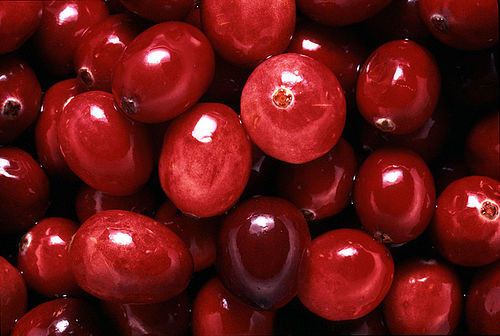
The season for cranberries begins in late September and lasts through autumn. These berries grow on vines which float in bodies of water called bogs. Cranberries are picked when their color turns deep crimson. About 95% of the cranberries harvested each year are processed and sold as juice, sauce, or are sweetened and dried. The remaining 5% are sold fresh to consumers. Although these fruits can be eaten raw, most people find their taste to be overwhelmingly tart. It is most common for these berries to be made into a jelly or compote known as cranberry sauce, which is often served as a side with turkey on Thanksgiving. Cranberries can also be used to make cranberry wine.

Wednesday, November 9, 2011

"Arils" Supply: The Facts on Pomegranates


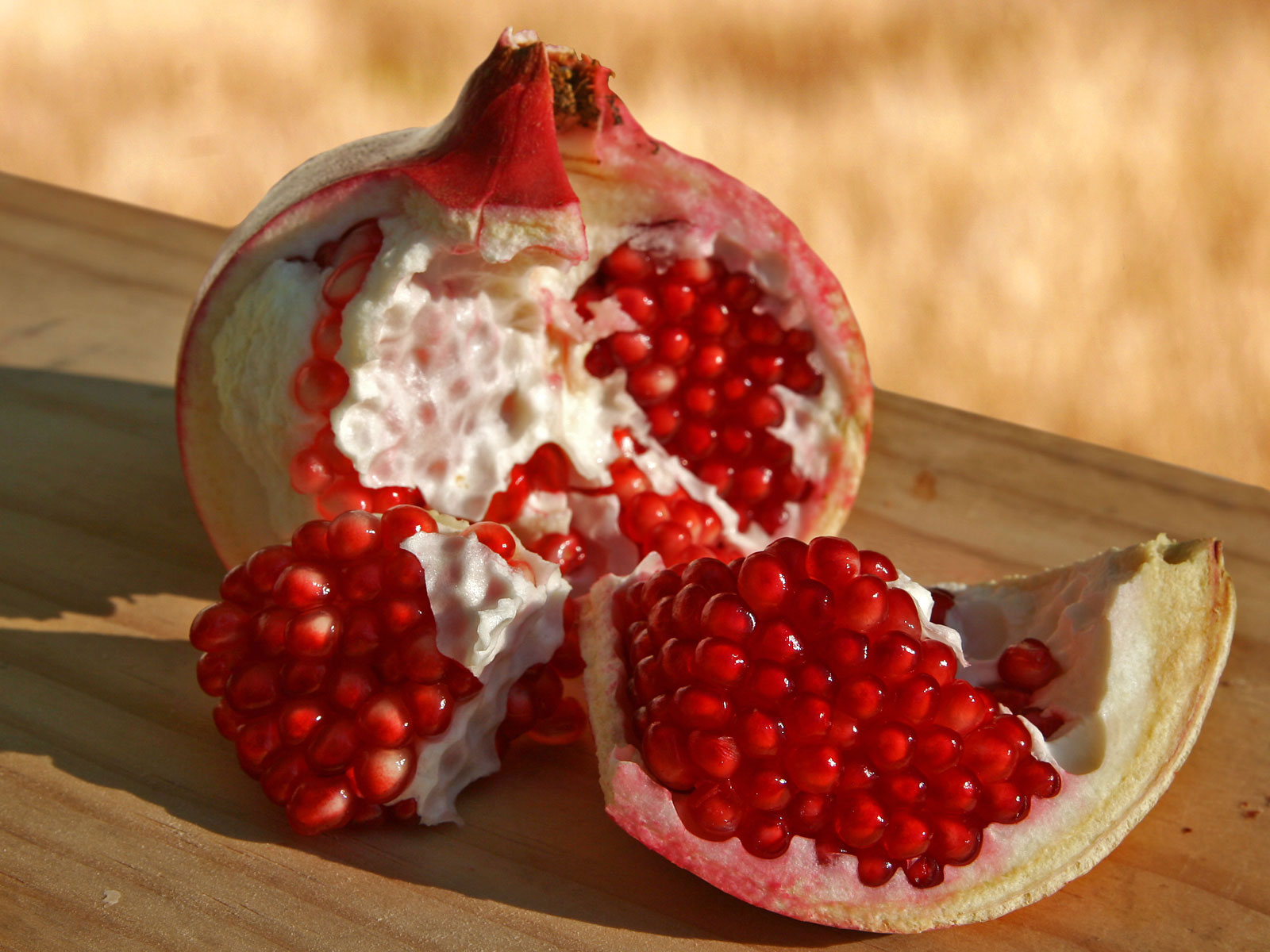
A pomegranate is a berry which grows from a tree or shrub called a punica granatum. The season of this fruit ranges from September to February. The pomegranate has a round hexagonal shape that ranges from 5-12 centimeters, and has a thick red skin. Inside the pomegranate are hundreds of crimson colored arils, which encase the seeds. Though the entire seed is edible, the arils' juicy flavor is what is desired. The flavor of the pomegranate is sweet with a moderate acidity, due to the tannins which reside within the arils. A ripe pomegranate will have a deep red color, and be somewhat soft to touch. Pomegranate seeds can be eaten raw and are commonly used as an addition to salads. The arils can also be used to make juice for drinking, or, in some cultures, to make soup. This fruit is not only delicious but also a great source of Vitamin C, Vitamin B, and Potassium.

Tuesday, November 8, 2011

Esca-ROLLIN!

     Escarole is a variety of chicory with plenty of things to offer, including a variety of flavors in each head. Recognizable by its crinkled leaves and gradient that starts at a deep green and progressively lighten towards the middle, it gives the buyer the option of how bitter or light they want their salad to be. Green giving you a bitter taste, and the leaves becoming less bitter the whiter it becomes. Escarole will keep for around a week in a normal fridge.
     Preparing Escarole is just as easy as making any form of salad, an example would be a simple Endive salad. With a bit of vinaigrette, halved cherry tomatoes, raisins and croutons you would have a very light and tasty starter or accompaniment to any meal. Along with making a delicious salad, Escarole can also be used in a wide variety of soups, wraps and as a pocket to stuff chicken or fish into. The tough dark green leaves will lose a little of their bitter edge and become perfect for any stuffing.

     Escarole has a lot of things going for it, and on top of all this it also contains a very high concentration of vitamins and minerals. It is comparable to spinach or kale in the amount of nutrients it contains, such as folate. On top of being a delicious option and very good for you it can also be found in most mid- and upscale supermarkets as a staple of their green selection making it attainable year round. Between the extra taste, the versatility of use in so many dishes, and the many health benefits, escarole is an excellent food choice.

Tuesday, November 1, 2011

Parsnip Tips

The parsnip, a long white carrot-looking root, is unsurprisingly a close relative of a carrot. While available throughout most of the year in California, it is at its best in the colder months. Their sweet, buttery, honey-like flavor is brought out by frost and they are favored by farmers in areas with short growing seasons.

Parsnips can be eaten raw, but are more frequently used in cooked dishes. They can be served in just about any way imaginable: boiled, stewed, roasted, or baked. You can even use the parsnip as more of a flavor than an actual dish by removing the cooked portion from whatever it is you may be cooking.


Look for parsnips that are relatively white, firm, and dry. Some browning on the outside is normal and can be removed with a vegetable peeler.

Wednesday, October 26, 2011

Celeriac!


A vegetable that epitomizes the adage of "it's what's on the inside that counts," celery root (celeriac) may look gnarled and unappealing, but after stripping away its exterior there is something wonderful to be had. Celery root is closely related to celery but cultivated specifically for the root. Its uses date back to ancient times and it is even mentioned in Homer's Odyssey.

The flavor can be described as one of celery, parsley, with a twist of nuttiness.

In picking out celery root, look for roots that are firm and free of spots. As with any root, avoid ones that are soft or slimy as that indicates spoilage. Be prepared to lose about 1/4 of the root in preparation. To prepare, scrub and cut the skin off until there is no more brown. Celery root oxidizes quickly so you'll want to soak the peeled root in water with vinegar or lemon juice.

Celery root can be eaten raw or cooked. It can be grated or cut into thin strips and served as a salad with your choice of toppings. It also mashes perfectly with potatoes and lends itself particularly well to braising. Allow 10-15 minutes when boiling and 12-18 minutes to steaming it.